Mileya: A Bold Handwritten Font for Web Design
In the crowded digital landscape, establishing an immediate visual connection with your audience is paramount. As web designers and UI creators, we constantly balance aesthetic appeal with functional clarity. Mileya emerges as a powerful tool in this balancing act, offering a handwritten brush style that exudes unwavering boldness and effortless chic. This typeface is not merely a decorative element; it is a strategic asset for building brand identity across websites, landing pages, and digital products. When integrated thoughtfully, Mileya transforms static layouts into dynamic experiences that resonate with human creativity.
The Visual Personality of Mileya
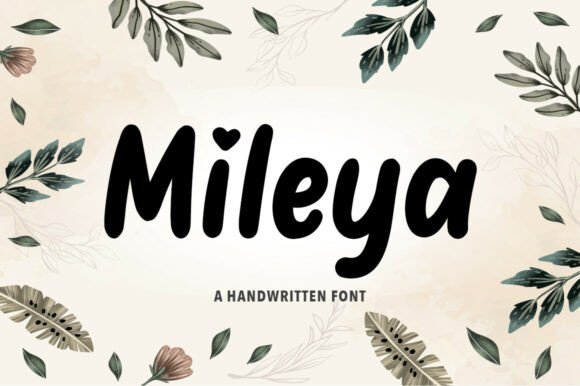
Mileya belongs to the Script Amp category, but it distinguishes itself through its authentic brush lettering characteristics. Unlike rigid geometric sans serif fonts or traditional serif typefaces, Mileya carries the organic imperfections of hand-drawn art. Every stroke reflects the pressure and flow of a real brush, creating a texture that feels personal and approachable. This artistic expression is crucial for brands aiming to break away from corporate sterility.
For digital product creators, the personality of a font dictates the tone of the user experience. Mileya communicates confidence and creativity. It suggests that the brand behind it is modern, daring, and attentive to detail. This makes it an ideal choice for creative entrepreneurs, boutique online stores, and coaching websites where trust is built on personal connection rather than institutional authority. The boldness of the strokes ensures that the font remains legible even at larger sizes, making it a robust option for hero sections and main headlines.
Enhancing Visual Hierarchy and Readability
One of the primary challenges in web design is guiding the user’s eye through the content. Visual hierarchy determines what users see first, second, and third. Mileya serves as an excellent anchor for top-level headings. Its distinct shape contrasts sharply with standard body copy, creating a clear separation between navigation elements, primary messages, and supporting text.
However, readability must always take precedence over style. While Mileya is stunning for titles, it is not designed for long-form body text. The intricate connections and variable stroke widths can become difficult to parse at small sizes or on low-resolution screens. Therefore, it is best utilized for short phrases, call-to-action buttons, logo text, and section headers. By limiting its use to these high-impact areas, you maintain scanning efficiency while adding visual interest.
When designing for mobile devices, extra care is required. Responsive layouts often compress space, so ensure that Mileya has sufficient line height and padding. On smaller screens, avoid using it for subheadings unless the weight allows for clear distinction. Testing the font on various devices ensures that the artistic flair does not compromise accessibility or user engagement.
Strategic Applications in Digital Layouts
The versatility of Mileya allows it to shine in various digital contexts. Here are practical ways to integrate this premium font into your design workflow:
- Hero Sections: Use Mileya for the main headline on landing pages. Its bold presence captures attention immediately, setting the tone for the rest of the page.
- Call-to-Action Areas: Incorporate the font into button text or adjacent promotional banners to create a sense of urgency and personal invitation.
- Portfolio Sites: Creative professionals can use Mileya for project titles or introductory statements, reinforcing their artistic brand identity.
- Online Store Banners: For e-commerce sites, especially those selling handmade or lifestyle products, Mileya adds a touch of authenticity to seasonal sales and featured collections.
- Course Sales Pages: Educators and coaches can use the font to highlight key benefits or testimonials, making the content feel more conversational and less academic.
In each of these scenarios, the font acts as a decorative accent that supports the overall message without overwhelming the user. It bridges the gap between professional polish and human warmth.
Font Pairing for Modern Typography
To maximize the impact of Mileya, effective font pairing is essential. Because it is a expressive handwritten font, it requires a stable counterpart for body copy and secondary information. The most reliable approach is to pair it with a clean sans serif font. Typefaces like Inter, Roboto, or Open Sans provide the neutrality needed to let Mileya stand out. This combination ensures that the website remains easy to read while maintaining a modern aesthetic.
Alternatively, for a more editorial or sophisticated look, consider pairing Mileya with a classic serif font. This juxtaposition creates a rich typographic contrast that works well for lifestyle blogs, fashion brands, and luxury digital products. The serif adds tradition and elegance, while Mileya injects energy and contemporary flair. Regardless of the pairing choice, maintain consistent spacing and alignment to preserve visual harmony.
Technical Considerations and Licensing
Before implementing Mileya in client projects or personal portfolios, verify the technical specifications. Check for available file formats, such as OTF, TTF, and WOFF/WOFF2 for webfont usage. Ensure that the font supports the necessary character sets for multilingual audiences if your target market is global. Some script fonts include alternates or ligatures that can enhance the natural flow of the text; explore these features to add subtle variety to your designs.
Licensing is another critical aspect. Always review the commercial font license associated with Mileya. Different licenses may apply to web embedding, desktop use, app integration, and digital templates. For agencies and freelancers, securing the appropriate rights for client work prevents legal issues down the line. Investing in a proper license not only supports the type designer but also ensures that your brand assets are compliant and professional.
In conclusion, Mileya is more than just a typeface; it is a design element that conveys emotion and intent. By understanding its strengths and limitations, web designers can leverage its bold, handwritten charm to create memorable digital experiences. Whether used in a minimalist portfolio or a vibrant online store, Mileya helps establish a consistent online identity that resonates with users on a deeper level.